Local business waste and commercial rubbish services Harringay
Posted on 18/06/2026
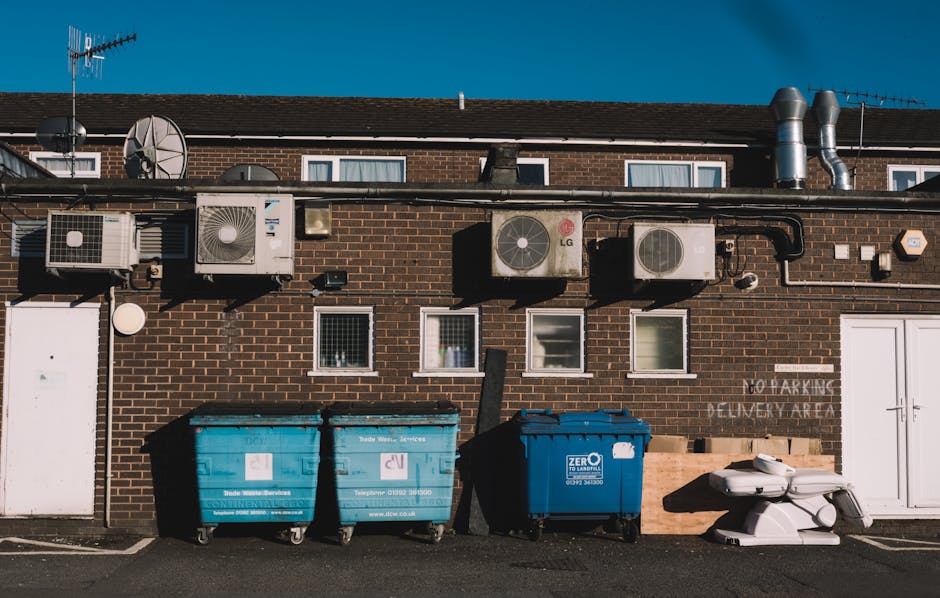
Local business waste and commercial rubbish services Harringay: a practical guide for busy premises
Running a business in Harringay means dealing with the ordinary stuff that never really feels ordinary: packaging piles up, stock arrives in bulky boxes, office clutter sneaks into corners, and a bin store can turn messy almost overnight. That is where Local business waste and commercial rubbish services Harringay come in. Done properly, they keep your premises safer, tidier, and easier to run - and, frankly, they save a lot of stress.
If you manage a shop, cafe, office, salon, workshop, rental property, or construction project in the area, you already know waste is not just "rubbish". It is a workflow issue, a compliance issue, and sometimes a customer-experience issue too. This guide breaks down how commercial rubbish removal works, who it helps, what to watch out for, and how to choose a service that feels reliable rather than rushed. No fluff. Just the useful bit.
Why Local business waste and commercial rubbish services Harringay matters
Commercial waste is one of those things people only notice when it goes wrong. A blocked back entrance, a strong smell drifting from a bin area, a pile of broken flat-pack boxes behind a unit - suddenly it becomes everybody's problem. In a busy part of North London, where customer footfall, deliveries, and limited storage often overlap, good waste handling is not optional. It is part of keeping the business looking professional.
Harringay has a mix of independent shops, hospitality venues, small offices, trades, and home-based businesses. That variety matters because not every business produces the same kind of waste. A cafe needs frequent food packaging and general waste pickups. An office needs confidential and bulky office clearance. A builder needs fast, safe builders waste disposal. A garden contractor may need green waste taken away quickly so the next job can start on time. Different waste, different rhythm.
To be fair, many businesses start with a "we'll sort it later" approach. It works for about two weeks. Then the backlog grows, staff lose time moving rubbish around, and the site begins to feel cluttered. If you have ever walked into a place that should feel welcoming but instead feels cramped, noisy, and a bit chaotic, you already know the effect waste can have on the customer experience.
Expert summary: The best commercial rubbish setup is not the one that removes the most waste at once. It is the one that keeps your site clear, your staff focused, and your collections predictable enough that you barely have to think about them.
That predictability becomes even more valuable in mixed-use local areas. For example, a shop near Green Lanes may need flexible timing to avoid interfering with opening hours, while an office near Turnpike Lane may want a quick collection before a team move or refurbishment. If you want to understand the local context a bit more, the articles on what residents say about living in Harringay and the cafes, green spaces, and everyday life in the area are useful background reading.
How Local business waste and commercial rubbish services Harringay works
At its simplest, commercial rubbish removal is the process of collecting business-generated waste, loading it safely, transporting it, and disposing of it or diverting it for recycling where possible. The better providers usually make the process feel much simpler than that. You describe what needs removing, share photos or a rough list, agree the scope, and book a pickup at a time that suits your operation.
In practice, it can be handled in a few different ways:
- One-off collection: useful for clear-outs, end-of-lease jobs, or a sudden backlog.
- Same-day support: handy when waste is building up fast or access is limited.
- Regular ad hoc pickups: useful for businesses that have seasonal peaks rather than fixed weekly needs.
- Specialist clearance: for offices, builders waste, garden waste, or mixed bulky items.
Most businesses do not need every service at once. That is the nice thing. You can match the collection to the job. A restaurant refurb may need removal of old fixtures, packaging, and light construction debris. A small practice office might only need a clean sweep of old desks, chairs, printers, and archive boxes. A florist could need frequent green waste and cardboard removal during busy periods. Different day, different mess.
A good service also makes sorting easier. Recyclable materials, reusable items, and general waste should not all be treated the same way if they can be separated safely. If sustainability matters to your business - and these days it usually does - it is worth looking at a provider's approach to recycling and sustainability rather than assuming everything is simply tipped in one place and forgotten.
There is also the practical side of access. Commercial premises in Harringay can be tight for loading, especially on busier roads or in buildings with shared entrances. That means timing, parking, and lift access all matter. The best providers plan around your site, not the other way round. It sounds obvious, but you would be surprised how often that gets missed.
Key benefits and practical advantages
Clean business waste management is not just about aesthetics, though that matters. It also affects safety, efficiency, and how your team feels about the workspace. Nobody works better in a room stacked with broken chairs and old boxes. Nobody. Well, almost nobody.
Here are the main benefits businesses usually notice first:
- More usable space: back rooms, stock areas, and offices feel easier to work in.
- Better presentation: customers, clients, and suppliers see a tidier operation.
- Less staff time wasted: employees do not have to babysit rubbish piles or make repeated trips to disposal points.
- Improved safety: fewer trip hazards, less manual handling strain, and reduced fire clutter.
- More flexible operations: clear-outs can be timed around trading, deliveries, or fitting work.
- Cleaner handovers: useful at the end of a tenancy, before a move, or after a project completes.
There is a commercial angle too. Waste build-up can make a business look disorganised even when the product or service is strong. A tidy premises supports trust. That applies whether you are meeting customers in person or just receiving deliveries at the back door. Small thing, maybe. But small things add up.
For growing businesses, commercial rubbish removal can also prevent the "temporary storage" problem. You know the one: one old table becomes two, then a broken filing cabinet arrives, then packaging, then leftover fixtures from a refit. Two months later, half a room is effectively a graveyard for stuff that should have gone already. Professional removal stops that cycle before it becomes normal.
Who this is for and when it makes sense
Local business waste and commercial rubbish services Harringay are relevant to far more organisations than people first assume. It is not just about large offices or building sites. In everyday local use, the service helps with a wide spread of situations.
Typical users include:
- shops and retail units clearing packaging, displays, and old stock
- cafes, restaurants, and takeaways dealing with regular commercial waste and bulky disposals
- offices removing desks, chairs, cabinets, IT equipment, and archive clutter
- landlords and letting agents between tenancies
- builders and tradespeople clearing mixed site waste
- garden and landscaping businesses needing green waste removal
- salons, studios, and clinics replacing furniture or equipment
- home-based businesses that have outgrown spare-room storage
It makes sense when waste starts to interfere with work rather than just sit in the background. A few signs are easy to spot:
- staff keep moving waste from one corner to another
- you are running out of storage and can't see a simple fix
- customer-facing areas are being used as overflow space
- your team is spending time on disposal instead of actual work
- you need a room, unit, or site cleared quickly before handover
Sometimes it is tied to life events around the business, too. A property sale, an office relocation, or a closure of a small unit can all create mixed waste and furniture that needs removing in one go. If that is part of your situation, the guides on buying property in Harringay and selling property in Harringay may help you think through the wider move.
Step-by-step guidance
If you want the process to run smoothly, it helps to approach it in a simple order. Nothing fancy. Just a clear sequence.
- List what needs removing. Be specific. "Office waste" is too broad. "Six desks, three chairs, two filing cabinets, cardboard packaging, and mixed paper" is useful.
- Separate what should stay. This sounds obvious, but during a busy clear-out items get mixed up fast. Keep anything reusable, confidential, or business-critical away from the pickup zone.
- Check access conditions. Think about parking, loading points, stairwells, lift availability, and timing around customers or staff.
- Ask for a clear quote. Good pricing should reflect volume, type of material, access difficulty, and labour. If you want to avoid awkward surprises, the page on avoiding hidden charges in rubbish removal quotes is worth a look.
- Book at the least disruptive time. For many businesses that means early morning, late afternoon, or outside peak customer hours.
- Prepare the waste area. Group items together if safe to do so. This keeps collection quicker and reduces labour time.
- Confirm disposal preferences. If you care about recycling or item recovery, say so upfront.
- Keep records where needed. For larger businesses or repeated removals, note what went out, when, and by whom.
That final point is often overlooked. It is not exciting, I know. But records are useful if a landlord asks questions, a compliance check comes up, or a contractor needs a paper trail. Not glamorous, but very practical.
If your waste build-up is urgent, especially around a move or a trading deadline, you may also find same-day rubbish removal in Turnpike Lane helpful as a local reference for fast turnaround expectations.
Expert tips for better results
Over time, the biggest difference usually comes from preparation and clarity. The actual collection is often the easy bit.
- Book before the pile becomes a problem. Waiting until waste blocks access always makes the job more expensive and less pleasant.
- Photograph the waste in daylight. A quick set of images helps with quoting and avoids misunderstandings about volume.
- Sort by material where possible. Cardboard, wood, metal, mixed waste, and green waste are easier to handle when separated.
- Flag awkward items early. Things like fridges, monitors, sharp debris, or damaged furniture often need special handling.
- Think about your trading rhythm. A bakery's quiet window is not the same as a retailer's. Schedule around that reality.
- Protect staff and customers during collection. Keep routes clear and reduce unnecessary foot traffic near the pickup point.
One small local habit makes a big difference: keep a dedicated "outgoing" zone, even if it is just a corner behind the premises. It stops waste spreading everywhere. It also makes collection day feel calmer. Calm matters. Especially on a wet Wednesday when the pavement is slippery and everyone is already busy.
If you want a wider view of service types, the services overview page helps connect business waste with related options like office clearance and broader waste removal support.
Common mistakes to avoid
Most problems with business rubbish removal are preventable. The tricky part is that they usually look minor right up until they cause a delay.
- Leaving everything until the last minute. That is how access issues, rushed decisions, and extra labour costs creep in.
- Assuming all waste is the same. It is not. Mixed waste, sharp waste, bulky items, and recyclable material may need different handling.
- Forgetting about access restrictions. Shared entrances, narrow corridors, restricted parking, and stair-only access can all affect the job.
- Not checking the provider's process. If you care about recycling, labour, timing, or safety, ask before you book.
- Using staff time for manual disposal. In small businesses, this often feels cheaper. Usually it is not. The hidden cost is lost productive time.
- Ignoring repeat waste patterns. If the same type of clutter keeps returning, the real problem is process, not disposal.
One practical example: a local retailer clears stock packaging once a month, but the cardboard has been stored in the stockroom for weeks because no one wants to break it down. By the time collection day arrives, the stack is awkward, dusty, and hard to move. That is a small thing that becomes a big thing. A better routine would be weekly flattening and a set pickup point. Simple, boring, effective.
Tools, resources and recommendations
You do not need a complicated system to manage commercial waste well. A few simple tools and habits can make the whole setup much smoother.
- Waste log: a basic sheet noting dates, waste type, and collection outcome.
- Photo reference folder: useful for repeat quotations and seasonal clear-outs.
- Designated storage point: keeps waste from drifting into customer or staff space.
- Labelled bins or piles: a plain but effective way to separate cardboard, general waste, and reusables.
- Collection calendar: helps teams know when pickups are due.
- Clearance brief: a short written note explaining what stays, what goes, and any access rules.
For business owners comparing options, it also helps to look at pages that explain related removal services in plain English, such as builders waste disposal, house clearance for mixed property contents, and rubbish collection in Harringay for general removal needs. Even if you do not need those exact services, the descriptions can help you understand what is included.
And yes, paperwork matters. If your business values supplier standards, it is worth reviewing pages like insurance and safety and the company's about us information before booking. It's not thrilling reading, but it does build confidence.
Law, compliance, standards, or best practice
Commercial waste handling in the UK comes with responsibilities. The exact details depend on your business type, the waste produced, and how often it is collected, so it is sensible to be cautious rather than assume a one-size-fits-all rule.
As a general best practice, businesses should:
- use a lawful and traceable disposal route
- keep records of collections where appropriate
- segregate waste safely when that is practical
- avoid leaving hazardous, sharp, or spill-prone materials unsecured
- make sure staff understand basic handling and storage expectations
If a business produces mixed rubbish alongside specialist items, it is especially important to ask how the collection will be handled. A reputable provider should be able to explain the process in ordinary language. If they cannot, that is a yellow flag, at least. Maybe a red one if the job is urgent.
Safety is part of compliance too. Lifting heavy office furniture, moving awkward waste down stairwells, and clearing debris around customers all carry risk. That is why clear access planning, sensible staffing, and insured collection matter. If a provider offers a clear explanation of working methods, safety arrangements, and site handling, that is usually a strong sign.
When in doubt, keep the rule simple: if the waste feels awkward, uncertain, or potentially unsafe to handle, do not guess. Ask first. It saves headaches later.
Options, methods, or comparison table
Businesses in Harringay usually have a few realistic ways to handle rubbish removal. The right choice depends on urgency, volume, and how much disruption you can tolerate.
| Method | Best for | Strengths | Trade-offs |
|---|---|---|---|
| Regular in-house disposal | Very small, light waste streams | Simple, familiar, low coordination | Can eat staff time and create storage problems |
| Ad hoc commercial rubbish collection | Variable waste volumes and periodic clear-outs | Flexible, fast, practical | Needs clear scope and good scheduling |
| Specialist clearance service | Offices, builders, bulky items, mixed premises | Efficient, safe, usually easier to manage | May require more upfront detail for quoting |
| Full site clearance | Moves, closures, refurbishments, handovers | Thorough and time-saving | More coordination and a larger job scope |
For many local businesses, the sweet spot is ad hoc collection with occasional specialist support. It gives flexibility without forcing you into a rigid contract you do not really need. If waste is predictable, a fixed routine may work. If it is seasonal or project-based, flexibility is often the smarter move.
Case study or real-world example
Here is a realistic example from the kind of job that comes up often in busy local areas.
A small office in Harringay was preparing for a reconfiguration. The team had old desks, surplus chairs, two broken storage units, flattened packaging from new equipment, and a surprising pile of cables that had somehow multiplied in a drawer. Nothing dramatic. Just enough clutter to make the place feel cramped and a bit tired.
The office manager did three things before booking a collection:
- walked the space and listed everything for removal
- separated items that were staying, including files and IT kit
- noted the narrow access corridor and agreed a time outside peak use
That preparation made the actual collection straightforward. The room was cleared in one go, the team could reset the space the same day, and the office felt usable again rather than half-finished. Not glamorous, but very satisfying. You could almost feel the air change a bit once the clutter went.
The lesson is simple: the service works best when the business prepares just enough. Not over-planning, not winging it. Just enough to keep the job clean and efficient.
Practical checklist
Use this quick checklist before arranging local commercial rubbish removal.
- Identify exactly what needs removing
- Separate reusable, confidential, and keep items
- Take photos of the waste area in good light
- Check access, parking, and loading restrictions
- Choose a time that avoids your busiest trading period
- Ask how mixed waste and recyclables will be handled
- Confirm whether labour, loading, and disposal are included in the quote
- Make sure staff know which items are not to be touched
- Prepare for any bulky or awkward pieces separately
- Keep a note of what was collected and when
If you can tick most of those boxes, you are in a good place. If not, that is fine too - better to sort the details before collection day than discover them in the middle of it.
Conclusion
Local business waste and commercial rubbish services Harringay are really about making business life easier. They reduce clutter, improve safety, support a better customer impression, and help you keep your premises moving in the right direction. For small businesses, that can mean less stress and more usable space. For larger or busier sites, it can mean smoother operations and fewer last-minute problems.
The best results usually come from clear communication, realistic timing, and a provider who understands that businesses do not run on a perfect schedule. They run on a hundred small decisions, most of them made while someone is holding a coffee and checking a timetable. So yes, waste removal has to fit around real life. That is the whole point.
If you are planning a clear-out, trying to manage ongoing waste more efficiently, or simply want a tidier and safer working space, now is a sensible time to act. A well-managed collection today can save a week of friction later - and honestly, that is a pretty good trade.
Get a free quote today and see how much you can save.
And if you want to understand the local service landscape a little better, the pages on pricing and quotes, terms and conditions, and payment and security are worth a careful read before you book.

 Tipper Van - Rubbish Collection and Builders Rubbish Removal Prices in Harringay, N4
 Luton Van - Rubbish Collection and Builders Rubbish Removal Prices in Harringay, N4