Harringay Green Lanes Rubbish Collection Guide N4
Posted on 02/05/2026
If you live, work, or manage a property near Green Lanes in N4, rubbish has a way of building up faster than you expect. One overflowing hallway, one renovation weekend, or one office clear-out and suddenly you need a practical plan, not just a bin bag and a hopeful shrug. This Harringay Green Lanes Rubbish Collection Guide N4 brings the process into plain English: what rubbish collection usually covers, how it works locally, what to watch out for, and how to choose the right service without overcomplicating things.
Whether you are clearing old furniture, builder's waste, garden cuttings, or the aftermath of a very enthusiastic sort-out, the goal is the same: get it gone safely, legally, and with as little disruption as possible. If you want to understand the broader service first, it can help to look at the wider rubbish collection services in Harringay and the full services overview before you book anything.
Truth be told, most people do not need a lecture on waste. They need a clear answer to a simple question: what is the fastest, safest, and most sensible way to remove it? That is exactly what this guide is here to do.
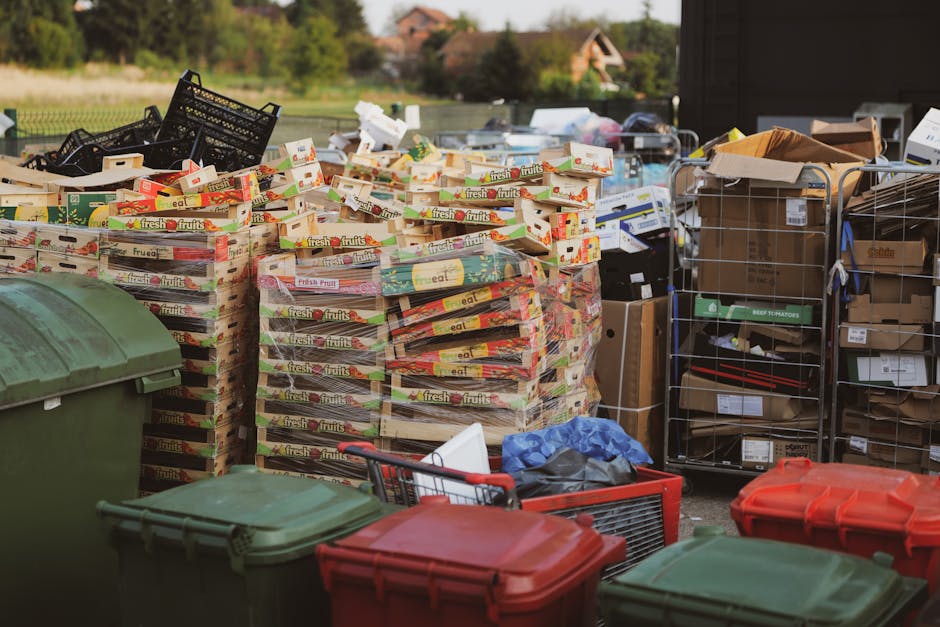
Why Harringay Green Lanes Rubbish Collection Guide N4 Matters
Green Lanes is a busy stretch, and that matters more than people realise when it comes to rubbish collection. There are flats above shops, side streets with tight access, busy footpaths, and plenty of homes where storage space is limited. A bag of waste here and there can quickly become a nuisance if it is left too long. Add in recycling rules, landlord expectations, or a deadline for moving out, and you have a job that needs proper handling.
Rubbish collection in this part of N4 is not just about lifting items. It is about timing, access, sorting, and making sure waste is dealt with correctly. For a family home, that might mean removing a bulky sofa after a new one arrives. For a shop or office, it could mean clearing packaging, shelving, or unwanted fixtures without causing disruption to staff or customers. For landlords and sellers, the pressure is often on presentation and turnaround. A clean, clear space simply feels better to walk into.
If you are thinking about the local area more broadly, the way homes and businesses function around Green Lanes can be shaped by everyday practicalities. People moving in, selling up, or settling into the neighbourhood often find that waste removal becomes part of a bigger property or lifestyle project. That is why related local reading, such as the essential Harringay property purchase guide or selling property in Harringay, can be useful context when you are planning a clearance.
Key point: a good rubbish collection service saves time, reduces stress, and helps keep your property safe, presentable, and compliant. That sounds obvious, but in a fast-moving area like N4, obvious things are often the ones people overlook first.
How Harringay Green Lanes Rubbish Collection Guide N4 Works
In practical terms, rubbish collection usually starts with identifying what needs to go. That sounds simple, yet it is where many jobs become messy. Mixed waste, awkward access, heavy items, and unclear pricing can all slow things down. A proper service will normally ask what you have, how much there is, where it is located, and whether any items need special handling.
Most local collections follow a straightforward flow:
- You describe the waste or send photos.
- The provider estimates the volume, access, and likely labour involved.
- A booking time is arranged that fits your schedule.
- The team arrives, loads the waste, and clears the area.
- The waste is then taken for appropriate disposal, sorting, or recycling.
That is the ideal shape of it. Real life can be a bit more fiddly. A top-floor flat with narrow stairs is not the same as a ground-floor shop with rear access. A pile of cardboard is not the same as a broken wardrobe, plasterboard offcuts, and a few bags of mixed household waste. The more accurate your description, the better the result.
For bigger or more specialised jobs, the type of service matters. Builders' rubble and renovation waste are usually best handled through a dedicated builders waste disposal service in Harringay. If you are clearing green cuttings, soil, or old plant pots after a garden overhaul, a garden waste removal option is often the cleaner fit. And for homes that need a fuller reset, a house clearance in Harringay can be more efficient than arranging lots of small removals.
Key Benefits and Practical Advantages
The biggest benefit is obvious: you reclaim space. But that is only the surface of it. A good collection service removes friction from your week, and in a busy part of North London, that has real value.
- Speed: useful when you need waste gone before a move, viewing, delivery, or deadline.
- Convenience: no need to hire a van, make multiple trips, or guess where to dispose of different materials.
- Safer handling: heavy or awkward items can be lifted and removed without you risking a back injury or a scratched stairwell.
- Better presentation: clear spaces look brighter, larger, and easier to use.
- Reduced stress: one decision, one collection, job done. Lovely when that happens, honestly.
- Improved recycling outcomes: professional sorting can help separate recyclable materials from general waste.
There is also a less obvious benefit: momentum. Once the clutter starts moving out, people often feel more able to tackle the next task. That sounds a bit emotional for a rubbish guide, maybe, but it is true. One cleared room often leads to another.
For businesses, the practical advantages are even sharper. Clearing stockroom waste, office furniture, or packaging waste quickly can support safer working conditions and a more professional environment. If your needs are broader than a one-off collection, it may be worth reviewing the broader waste removal options in Harringay or the more specific office clearance service.
Who This Is For and When It Makes Sense
This guide is useful for a wider group than people first assume. If you only think of "rubbish collection" as bin day or a broken chair at the kerb, you may miss the situations where a proper collection saves real time.
Common readers include:
- Homeowners clearing lofts, sheds, garages, or spare rooms.
- Tenants moving out and needing to leave a property tidy.
- Landlords preparing a flat between occupants.
- Estate agents and sellers wanting a better first impression for viewings.
- Small businesses removing office furniture, packaging, or old equipment.
- Builders and tradespeople with renovation debris or mixed site waste.
- Gardeners and keen DIYers dealing with seasonal waste or project leftovers.
It makes sense whenever waste has become too much for regular household bins, too bulky for a simple walk to a local drop-off point, or too awkward to move safely yourself. If you have ever stood in a hallway looking at a disassembled wardrobe and thought, "well, that is not fitting in the hatchback," you are in the right territory.
It is also worth thinking about timing. Before a move, after a renovation, following a bereavement, or just ahead of a big clean-up weekend are all common moments. In those situations, the work is not just physical. It is mental as well. Clear the space, clear the head a little. Simple, but powerful.
Step-by-Step Guidance
If you want the smoothest result, treat rubbish collection like a small project rather than a last-minute scramble. Here is a practical way to go about it.
1. Sort the waste into sensible groups
Separate what you can before booking. Common categories include furniture, general household waste, cardboard, green waste, white goods, and builders' debris. Do not worry about making everything perfect. Just do enough to make the job easier to quote and to load.
2. Identify anything unusual
Some items need extra care. Mattresses, fridges, paint tins, electricals, and certain construction materials can require specific handling. If you are unsure, mention them upfront rather than hoping nobody notices. Best case, the team plans properly. Worst case, the collection gets delayed. Nobody wants that.
3. Check access
Think about stairs, narrow hallways, parking, gates, basements, or rear entrances. In Green Lanes and the surrounding roads, access can be the deciding factor in how long a job takes. A clear description saves time and helps avoid awkward surprises on the day.
4. Ask for a clear quote
A useful quote should reflect the likely volume, labour, and disposal requirements. If a service provides pricing guidance, read it carefully. You can also review the provider's pricing and quotes page to understand how estimates are usually structured.
5. Prepare the area
Move personal items, protect floors if needed, and make sure the route out of the property is reasonably clear. If you have pets, small children, or neighbours in close proximity, a little preparation goes a long way. It keeps the collection quick and tidy.
6. Confirm the collection details
Before the team arrives, check time, access notes, and any special instructions. If payment or booking confirmation is needed, read the provider's payment and security information so there are no awkward conversations at the door.
7. Make sure the waste is loaded correctly
Once on site, a good team will load efficiently, keep things orderly, and leave the area swept or at least neat. That small finish matters more than people think. A clean end point feels like the service actually finished the job, not just most of it.
Expert Tips for Better Results
After enough clearances, a few patterns become obvious. The jobs that go well are usually the ones where the customer has done a little preparation and asked the right questions early.
- Take photos before you book. Photos help with volume estimates and reduce back-and-forth.
- Keep separate piles. If recyclable cardboard is mixed with general waste, sorting gets slower and less efficient.
- Think about parking in advance. In a busy area, even a small delay can throw off a collection window.
- Be clear about heavy items. Old wardrobes, filing cabinets, and appliances can change the labour involved.
- Book before pressure hits. Last-minute bookings are common, but they tend to be more stressful than they need to be.
- Ask what happens to the waste. Reuse and recycling matter. A responsible provider should be able to explain the process simply.
A practical little tip: if you are preparing for a property sale, clearing early often makes the rest of the process feel easier. Rooms photograph better, viewings feel calmer, and you are not tiptoeing around a pile of old stuff at the last moment. For nearby lifestyle and property context, the local pieces on what residents say about living in Harringay and what Harringay has to offer are a good reminder that this area works best when homes and streets feel cared for.
And one more small thing: do not underestimate the value of a calm, clean start. It is easier to make decisions when the floor is visible. Sounds silly, but there it is.

Common Mistakes to Avoid
Most rubbish collection problems are avoidable. The trouble is, they are the sort of mistakes people only notice after they have become expensive, inconvenient, or both.
- Underestimating the amount of waste. A "few bags" has a habit of turning into a van-load.
- Mixing prohibited or specialist items without warning. This can affect collection planning and disposal options.
- Ignoring access issues. A job quoted for easy access may change if stairs, parking, or distance to the vehicle are worse than expected.
- Leaving it too late. Tight deadlines are exactly when things feel most stressful.
- Choosing only on price. Cheap can become costly if the service is unclear, slow, or not properly arranged.
- Not checking for responsible disposal. Good waste handling is about more than simply removing items from your property.
A common one, especially around end-of-tenancy or moving day, is the assumption that everything can be left in one pile and sorted later. Sometimes that is fine. Often it is not. A bit of organisation beforehand usually saves time and, frankly, saves face too.
Tools, Resources and Recommendations
You do not need a warehouse of equipment for a rubbish collection, but a few simple tools and resources help the process run smoothly.
| Tool or Resource | Why It Helps | Best Use |
|---|---|---|
| Phone camera | Helps show the amount and type of waste clearly | Getting a quote or explaining access |
| Marker labels | Makes it easier to separate items by category | House clearances, office moves, mixed waste |
| Heavy-duty bags or boxes | Keeps loose waste contained and easier to move | General waste, small clear-outs, sorting sessions |
| Measuring tape | Useful for bulky items and access checks | Furniture, appliances, tight hallways |
| Service information page | Clarifies what the provider handles and how bookings work | Before confirming any collection |
When comparing services, it can help to read the provider's recycling and sustainability information. That is usually where you get a sense of whether the company takes waste sorting seriously or just treats everything as a one-way trip to nowhere helpful.
For trust and transparency, the support pages matter too. A good website should make it easy to find the terms and conditions, privacy policy, and relevant safety information. You do not need to read every line like a solicitor, but you should know what you are agreeing to.
Law, Compliance, Standards, or Best Practice
Waste collection in the UK sits within a framework of legal duties and best practice expectations. You do not need to become an expert in the regulations to book a collection, but you should understand the basic principle: waste must be handled and disposed of responsibly.
In practical terms, that means a few things. Waste carriers should be legitimate and traceable. Controlled or hazardous items should be treated carefully and only handled where appropriate. Recycling should be considered where practical. And customers should avoid handing waste to anyone who cannot explain where it will go. That last point is a big one.
It is also sensible to look for providers who take health and safety seriously. This includes safe lifting practices, sensible vehicle loading, and care around homes, stairwells, communal areas, and pavements. If you want reassurance, review the company's insurance and safety information. That is especially useful for larger clearances or awkward access.
For businesses, landlords, and property managers, it is wise to keep records of bookings, invoices, and descriptions of waste removed. That is not glamorous. It is just good housekeeping, and it helps if questions arise later.
Practical standard to follow: choose providers that are transparent, careful, and willing to explain their process in plain English. If it sounds vague, it probably is.
Options, Methods, or Comparison Table
There is more than one way to deal with waste in Harringay Green Lanes N4. The right option depends on what you have, how fast you need it gone, and how much lifting or sorting you want to do yourself.
| Option | Best For | Pros | Watch Out For |
|---|---|---|---|
| DIY disposal | Small, manageable loads | Low direct cost, full control | Time, vehicle access, multiple trips |
| Skip hire | Longer projects with steady waste output | Good for ongoing building or garden work | Permit, space, filling it efficiently |
| Professional rubbish collection | Fast removal and mixed items | Convenient, labour included, quick turnaround | Need clear description for accurate quote |
| Specialist clearance | Homes, offices, or builders' waste | Tailored approach for larger or more complex jobs | May need more planning and access detail |
For many people in N4, professional collection is the sweet spot. It balances speed with convenience. If your job is substantial, though, it is worth looking at a more specific service such as office clearance or a broader house clearance in Harringay rather than forcing everything into one generic plan.
Sometimes the best method is the least dramatic one. No fuss, no grand strategy, just the right tool for the task.
Case Study or Real-World Example
Here is a realistic example from the kind of job that comes up all the time around Green Lanes.
A couple living in a first-floor flat near the high street had been gradually collecting old furniture, broken shelving, cardboard boxes, and a few bags from a hallway cupboard that had become a sort of time capsule. They were preparing to sell the flat and wanted it to feel brighter for viewings. The challenge was not one item; it was the mix of everything, plus a narrow stairwell and limited parking.
Instead of trying to handle it in piecemeal fashion, they grouped the items into three categories: furniture, general waste, and cardboard/recycling. They sent photos in advance, flagged the access issue, and booked a collection slot that suited the building's quieter period. On the day, the team could load efficiently because the waste was already organised and the route was clear.
The result was simple but noticeable. The hallway looked wider. The living room felt less cramped. The final viewing ran more smoothly because the property no longer had the "we are in the middle of moving" look. Nothing magical, just better planning. And that is usually the whole story.
That same logic applies to a small office, a garden clear-up, or a rental turnover. Clean the space properly, and everything else becomes a bit easier.
Practical Checklist
Use this checklist before booking a collection in Harringay Green Lanes N4.
- Identify what needs removing and separate items into rough categories.
- Take clear photos of the waste, including any bulky items.
- Note stairs, parking limits, rear access, or any tricky entry points.
- Confirm whether any items are special case materials, such as fridges or electricals.
- Ask for a quote based on actual waste type and access.
- Review pricing, payment, and booking details before confirming.
- Check the provider's safety and insurance information.
- Set aside personal items and clear a route to the collection point.
- Keep neighbours or building management informed if access may affect them.
- Make sure the space is left tidy after collection.
Quick takeaway: if you prepare well for five minutes, you often save twenty later. That is the sort of trade-off worth making.
Conclusion
Harringay Green Lanes rubbish collection in N4 is really about making a busy local life easier to manage. Whether you are dealing with a single bulky item or a full clear-out, the best results come from good preparation, clear communication, and a service that understands the realities of working in a London neighbourhood with mixed property types and limited space.
When you choose the right approach, rubbish collection stops being a nuisance and becomes one of those satisfying jobs that quietly changes the feel of a home or workplace. Less clutter. Better access. A calmer room. It all adds up.
If you are comparing options, reading about the wider local service area, or simply trying to decide whether now is the right time to book, take the next step with a provider that is transparent about pricing, safety, and waste handling. A little clarity upfront goes a long way.
Get a free quote today and see how much you can save.
And if you are still weighing things up, that is fine too. Sometimes the first clean-up is the hardest. After that, the space starts to breathe again.
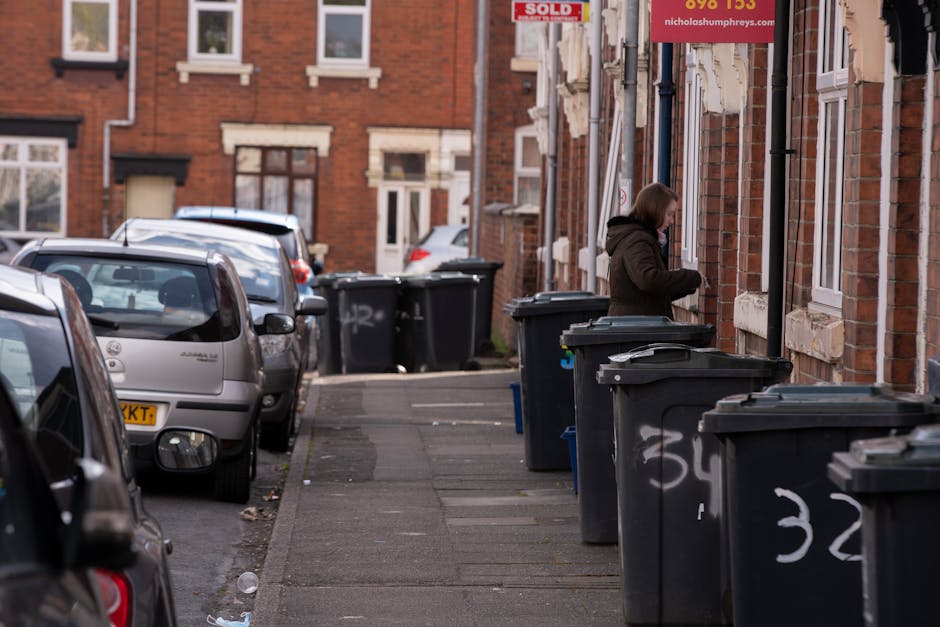
 Tipper Van - Rubbish Collection and Builders Rubbish Removal Prices in Harringay, N4
 Luton Van - Rubbish Collection and Builders Rubbish Removal Prices in Harringay, N4