Harringay flat rubbish clearance case study before after
Posted on 01/08/2026
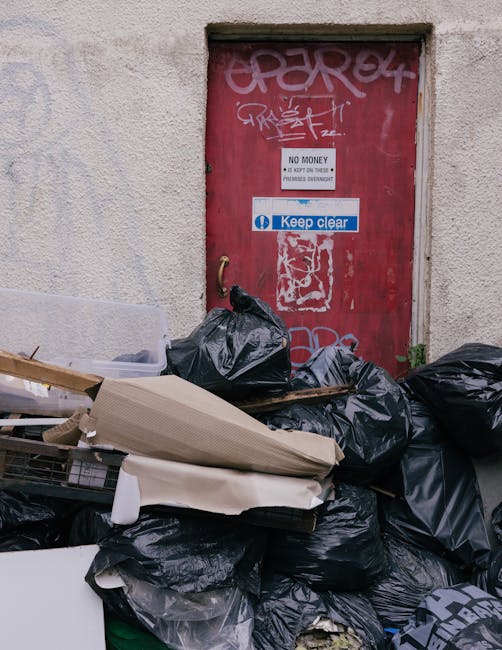
Harringay flat rubbish clearance case study before after: a practical local guide
If you are searching for a Harringay flat rubbish clearance case study before after, you probably want more than a vague promise that "the place looked better afterwards." You want to know what actually changes, what the process feels like in a real flat, and whether it is worth arranging a professional clearance rather than trying to chip away at it yourself over several weekends.
That is fair enough. Flats in Harringay can be tight on space, awkward for parking, and full of mixed items that need sorting properly. In this guide, we walk through how a flat clearance typically works, what the before-and-after difference usually looks like, where the hidden risks are, and how to plan it sensibly. Along the way, we will keep it grounded in the everyday realities of local homes, not just theory.
One thing you will notice quickly: the biggest improvement is not just visual. It is the sense of relief when the hallway is clear, the bin bags are gone, and the flat stops feeling like a storage unit with a kettle in it. That matters more than people think.
Why Harringay flat rubbish clearance case study before after Matters
Before-and-after content does a useful job here because flat clearance is hard to judge until you see the transformation. In a house, you might have more room to spread out. In a flat, every box, broken chair, old mattress, and bag of random bits seems to spread psychologically as well as physically. It gets into your head, honestly.
A case study format helps people understand the real questions: How much can be removed in one visit? What happens to bulky items? How long does the job take when access is via stairs or a narrow lift? And how do you avoid that awkward moment when the pile is bigger than you expected?
For Harringay residents, the topic matters for a few practical reasons:
- many flats have limited storage, so clutter builds up fast;
- shared entrances and stairwells make safe handling important;
- parking and loading can affect timing more than people expect;
- tenancy changes, sales, and refurbishments often come with a clearance deadline;
- clear, tidy rooms photograph better if you are preparing to rent or sell.
If you are looking at a wider move, it can also be useful to read about buying property in Harringay or selling a property in Harringay, because clearance often ties into both timelines. A flat that looks manageable on paper can feel very different once you are standing in it with three days to go.
Key takeaway: before-and-after case studies are valuable because they reveal the hidden work behind a "simple" clearance. The value is in clarity, not just cleanliness.
How Harringay flat rubbish clearance case study before after Works
At its simplest, flat rubbish clearance is a structured removal of unwanted items from a home. The difference between an average job and a smooth one usually comes down to preparation, access, sorting, and responsible disposal. The "before" stage is often a mix of cluttered rooms, items stacked in corners, and hard-to-move objects that have been sitting there a bit too long. The "after" stage should feel open, usable, and properly reset.
In a real Harringay flat, the process often follows a familiar pattern:
- Initial assessment - The items are reviewed, sometimes from photos, sometimes in person.
- Access check - Stairs, lift size, parking, and entry routes are considered.
- Sorting - Reusable, recyclable, and general waste items are separated where possible.
- Removal - Items are carried out carefully to avoid damage to walls, floors, and shared areas.
- Final sweep - The team checks the space and clears remaining fragments or loose debris.
That last step sounds small, but it is often what makes the after-photo feel genuinely complete. No one wants a lovely cleared room with one lonely sock under the radiator. That would be a bit annoying, wouldn't it?
For people researching how clearance compares with other options, the page on services overview is a sensible starting point, and house clearance in Harringay can be useful if the job is bigger than a single room or more mixed in nature. Flat clearances sit in that middle ground: not always tiny, rarely simple, and often time-sensitive.
There is also a practical distinction between removal and clearance. Removal usually focuses on taking away specific rubbish. Clearance is broader. It may involve furniture, white goods, general junk, bagged waste, and the odd surprise item that has been tucked behind a wardrobe for years. We have all seen one of those moments where someone says, "I forgot that was even there."
Key Benefits and Practical Advantages
The obvious benefit is visible space, but the real value goes further. A well-managed flat clearance can reduce stress, speed up a move, and make the property easier to use straight away. In a compact London flat, that can be a big deal.
- Space recovery: rooms become usable again rather than half-blocked by clutter.
- Faster preparation: if you are moving, refurbishing, or listing the flat, you save time.
- Better presentation: empty or partly cleared rooms photograph and view better.
- Reduced manual effort: heavy lifting is handled more safely.
- Improved sorting: reusable and recyclable items are easier to separate.
- Less disruption: the job is often completed in one organised visit rather than spread over days.
A less obvious benefit is decision relief. Once the clutter is removed, you can finally see the room properly and decide what to keep, repair, donate, or replace. That matters if you are preparing for a sale, a tenancy handover, or just trying to breathe again after months of living around boxes.
Readers who want a wider look at the local context may also find what residents say about living in Harringay and Harringay's cafes and green spaces useful. It is a nice reminder that local life is about convenience, not just compliance and bins.
Who This Is For and When It Makes Sense
This kind of clearance is not only for "hoarders" or people dealing with a major move. In practice, it is useful for everyday situations that just got a bit out of hand. Truth be told, that is most of us at some point.
It tends to make sense if you are:
- moving out of a flat and need it stripped back quickly;
- preparing a rental property for new tenants;
- handling an inherited flat or a long-empty property;
- clearing after a refurbishment and dealing with mixed waste;
- replacing old furniture, carpets, or unwanted appliances;
- trying to regain a spare room, home office, or guest room;
- working to a deadline before photos, viewings, or handover.
It can also be the better choice when access is tricky. If your flat is above street level and the hallway is narrow, the time and physical effort involved in DIY removal can climb very quickly. And if you have ever tried turning a sofa on its side in a Victorian stairwell, you already know the mood can change fast.
If you are considering clearance alongside a move, a property review, or a sale, the article on your essential Harringay real estate purchase guide can help you think through the broader sequence. Small planning decisions make a big difference here.
Step-by-Step Guidance
Here is a straightforward way to approach a flat clearance without turning it into a weekend you later regret.
- Walk the flat room by room. Make a quick list of what is going and what is staying. Keep it simple.
- Separate sensitive items first. Put documents, jewellery, medication, keys, and personal paperwork somewhere safe.
- Identify bulky or awkward items. Mattresses, wardrobes, desks, washing machines, and sofas usually need special handling.
- Take clear photos. This helps with planning, quoting, and avoiding misunderstandings.
- Think about access. Stairs, lift size, parking restrictions, and shared entrances can affect timing.
- Decide what can be reused or recycled. It is worth pausing before everything goes in one pile.
- Book the clearance with a realistic time window. Leave room for access delays or sorting on the day.
- Do a final sweep after removal. Check cupboards, behind doors, under beds, and around the boiler cupboard.
A small but useful habit: label what stays. A roll of tape and a marker can save you from that awkward "where did the charger go?" moment later. It sounds tiny. It is not tiny when you need the charger.
For timing-sensitive jobs, especially in busier parts of the borough, you may also want to read about quick same-day rubbish removal near Turnpike Lane. That sort of guide helps when plans change suddenly, as they often do.
Expert Tips for Better Results
Good clearances are rarely dramatic. They are just well prepared. A few small choices can save a lot of noise, lifting, and confusion on the day.
- Start with the hardest room. If the kitchen or storage room is the messiest, deal with that first while energy is high.
- Keep one "do not move" zone. This avoids accidental disposal of items you still need.
- Use photos as a sorting memory. They are handy if you are deciding what to keep after a quick scan.
- Avoid overfilling bags. They become harder to carry safely and more likely to split.
- Plan for parking and loading. A few extra minutes here can prevent a lot of frustration.
- Think in zones, not just rooms. Hallway, under-bed storage, cupboard space, balcony, and loft-like eaves all count.
One quiet detail people miss: light changes perception. A flat that looks manageable at 8 a.m. can feel quite different by late afternoon when shadows make every pile seem larger. So if possible, assess it in good daylight. It sounds almost too obvious, but there you go.
If you are trying to keep costs under control, avoiding hidden charges in rubbish removal quotes is well worth a read. The wrong assumption about access, weight, or item type can make a quote feel less clear than it should.
Common Mistakes to Avoid
Most clearance problems are avoidable. They tend to come from rushing, underestimating, or trying to sort everything at the same time as lifting it. That combination is not ideal, to put it mildly.
- Leaving sorting until the last minute. This causes confusion and slows the whole job.
- Forgetting about access. A flat on the third floor is not the same as a ground-floor job.
- Mixing personal items with waste. Always clear documents and keepsakes separately.
- Ignoring building rules. Shared entrances and stairwells need care and respect.
- Assuming every item can go the same way. Some items need different handling, especially bulky or specialist waste.
- Booking too late. Deadlines have a habit of arriving right on time.
Another mistake is trying to compare a clearance job with an ordinary bin run. They are different activities. If you need more background on local rubbish collection options, rubbish collection in Harringay and waste removal in Harringay are useful supporting pages to understand the broader service picture.
Let's face it, clutter makes people optimistic. A bag here, a box there, and suddenly you think the whole flat will sort itself. It usually does not.
Tools, Resources and Recommendations
You do not need a van-load of equipment to plan a successful flat clearance, but a few practical tools make life easier.
- Marker pens and labels for marking keep, donate, and remove piles.
- Strong refuse sacks for loose, non-bulky items.
- Measuring tape for checking whether large items will fit through doors or stair turns.
- Camera phone to record the before condition and help with planning.
- Gloves for handling dusty or sharp-edged items.
- Blanket or floor protection if items need to be moved through delicate areas.
For service planning and practical expectations, the pages on pricing and quotes and about us can be useful points of reference. They help set a sensible frame for what is being arranged, rather than guessing and hoping for the best.
If sustainability matters to you, and it often does, you may also want to look at recycling and sustainability. A good clearance should not treat everything as a single undifferentiated pile if it can be avoided.
For some households, the big choice is not clearance versus nothing. It is clearance versus skip hire versus piecemeal self-removal. If you are weighing those up, the page on cheap skip alternatives and rubbish removal costs is a very sensible companion read.
Law, Compliance, Standards, or Best Practice
For any clearance job, especially in a London flat, the main point is to deal with waste responsibly and avoid leaving it in common areas, on pavements, or where it may create a nuisance. Local council rules, building management requirements, and safe handling expectations all matter here. The exact details can vary, so it is sensible to check the current local arrangements before booking or disposing of anything yourself.
In plain English, the best practice is simple:
- do not block shared corridors, exits, or stairwells;
- do not dump items outside the building while waiting for collection;
- separate items that may be reused or recycled where practical;
- handle sharp, heavy, or awkward items safely;
- use a provider who understands waste handling duties and sensible site etiquette.
There is also a common-sense safety angle. Moving a wardrobe down narrow stairs without enough people, or dragging a heavy item across a landing, is how minor damage becomes a real headache. The page on insurance and safety is relevant if you want to understand the care side of the job, especially where shared property areas are involved.
For local context, the articles on council fines and rubbish disposal rules and what to know about council rules for rubbish in Harringay N4 are worth a look. You do not need to memorise every rule, but it helps to know the boundaries.
Options, Methods, or Comparison Table
When people need a flat cleared, they usually compare three approaches: do it yourself, use a skip, or book a professional removal/clearance service. The right choice depends on time, access, volume, and whether you want the whole thing finished in one clean sweep.
| Option | Best for | Strengths | Limits |
|---|---|---|---|
| DIY clearance | Small amounts, flexible timelines | Can be cheaper upfront; full control over sorting | Time-consuming; heavy lifting; transport logistics |
| Skip hire | Large volumes with simple access | Good for ongoing work; easy drop-and-fill approach | Parking space needed; loading can be awkward; not ideal for narrow access |
| Professional clearance | Flats, deadlines, bulky items, mixed waste | Fast, tidy, less lifting, often easier in awkward buildings | Needs a clear quote and good item description |
For Harringay flats, professional clearance is often the most practical choice when access is restricted or the job has to be done quickly. Skip hire can still be useful, of course, but in a block with tight parking or a narrow street, it may be more fuss than it is worth.
For local service information, the page on builders waste disposal in Harringay is relevant if your clearance is tied to renovation debris, while garden waste removal in Harringay helps if your flat includes a terrace, balcony, or storage area with outdoor waste mixed in.
Case Study or Real-World Example
Here is a realistic example based on the kind of flat clearance we often see in Harringay. It is not a fictional drama, just a typical local scenario that shows the before and after clearly.
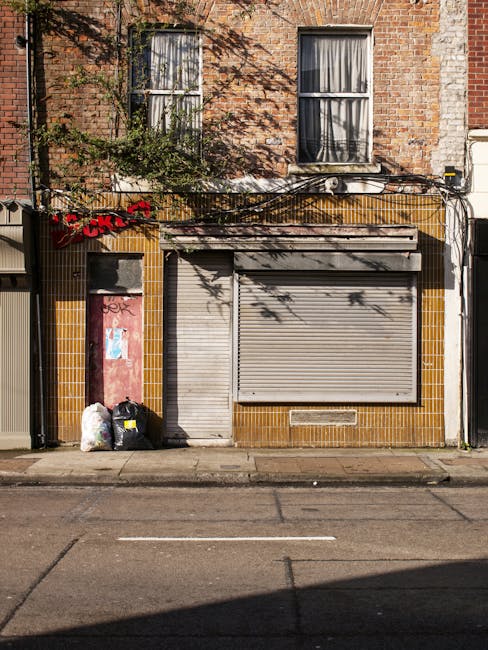
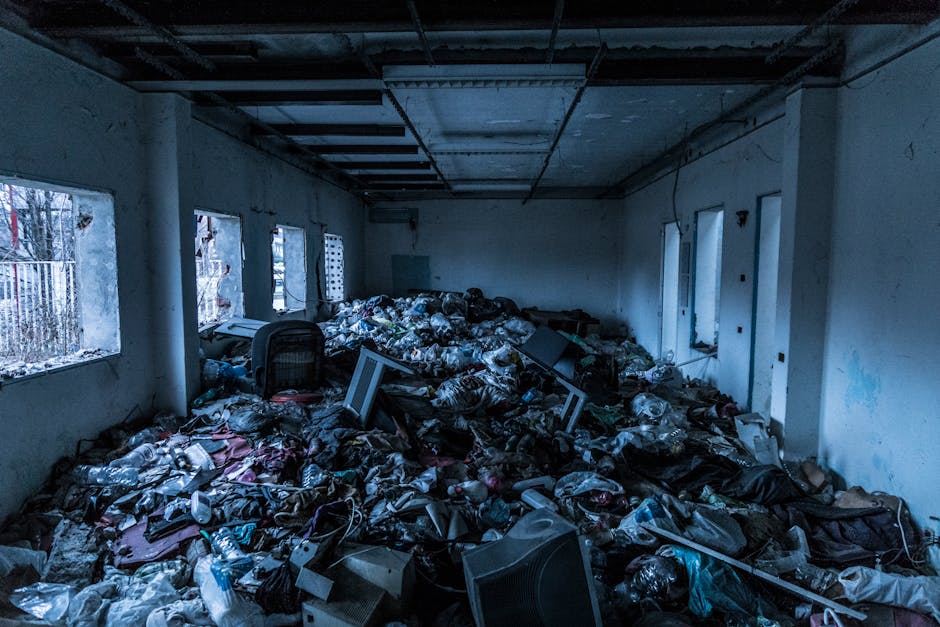
Before: a two-bedroom flat above street level, with one bedroom used for storage, an overfilled hallway, an old sofa, a dismantled desk, broken shelving, several bin bags of mixed household waste, and a kitchen corner stacked with small appliances and cardboard. The flat was still liveable, but only just. You had to edge around things. Not dangerous, exactly. Just irritating every single day.
The resident needed the property cleared before viewings. Time was tight, and the access was awkward because the stairwell was narrow and parking outside was limited. Some items could be kept, but a lot had to go. There was also a bit of sorting to do because not everything was obviously rubbish at first glance. That is very common.
During: the items were grouped into keep, remove, and recycle piles. Lightweight bags were moved first, then the larger furniture items. The team worked carefully through the hallway to avoid marks on the walls, and the load-out was paced so the stairwell stayed clear. Small pieces were swept up at the end. A final check caught a few loose items in a cupboard, which happens more often than people admit.
After: the hallway felt wider. The spare room could finally function as a room again, rather than a storage annex. The kitchen looked brighter because the clutter had been removed from the corners, and the flat was ready for cleaning and photos. The difference was not subtle. It looked like someone had pressed a reset button.
That "after" stage matters because it changes how the flat is used. The resident no longer had to navigate clutter every time they made a cup of tea or opened the bedroom door. And yes, the emotional lift is real. Once the mess is gone, the space can feel kind of hopeful again.
If you are clearing a property as part of a wider life change, you may also find the local perspective pieces on what residents say about Harringay life and local business waste and commercial rubbish services helpful, especially if you are balancing home changes with work, tenants, or a move.
Practical Checklist
Use this checklist before you book or begin a flat clearance:
- Walk through every room and identify what is staying.
- Remove documents, keys, jewellery, and personal papers first.
- Take photos of bulky items and any access challenges.
- Measure doorways, stair turns, and lift size if relevant.
- Decide whether any items can be recycled or reused.
- Check if there are building rules about loading, access, or timing.
- Clear a path to the front door and building entrance.
- Confirm whether mattresses, appliances, or heavy furniture are included.
- Ask for a clear quote and make sure the scope is understood.
- Do a final sweep once the flat is cleared.
Mini reminder: if you are not sure whether something counts as waste or should be kept, set it aside rather than guessing. That tiny pause can save a lot of regret later.
Get a free quote today and see how much you can save.
Conclusion
A strong Harringay flat rubbish clearance case study before after is not just about dramatic photos. It is about showing how a cluttered, stressful flat becomes practical again. The best outcomes usually come from a simple approach: sort early, plan access properly, keep personal items separate, and choose the right clearance method for the space you actually have, not the space you wish you had.
For many Harringay flats, that means working around stairs, parking, shared entrances, and tight deadlines. No one loves that part. But handled well, the job becomes surprisingly straightforward, and the after-state is worth it: calmer rooms, easier cleaning, better presentation, and a much lighter feeling when you walk in.
And that is really the point. A cleared flat is not just tidier. It feels more open to live in. That shift can be quite uplifting, even on an ordinary Tuesday morning.
 Tipper Van - Rubbish Collection and Builders Rubbish Removal Prices in Harringay, N4
 Luton Van - Rubbish Collection and Builders Rubbish Removal Prices in Harringay, N4