Garden waste removal Harringay Ducketts Common gardens
Posted on 19/08/2026
Garden waste removal Harringay Ducketts Common gardens: a practical local guide
If you are dealing with a full garden after a tidy-up, a hedge cut, or a proper weekend clear-out, garden waste removal in Harringay Ducketts Common gardens can save a lot of time and faff. The tricky bit is usually not the pruning itself. It is the heap left behind: branches, turf, soil, leaves, old pots, and that awkward pile of green waste that somehow grows twice as fast as the garden did. This guide explains how garden clearance works in a local London setting, what to expect, how to choose the right approach, and how to avoid the usual mistakes.
Whether you are looking after a small back garden, managing communal outdoor space, or clearing up after landscaping work, the aim is simple: get the waste gone quickly, keep the area tidy, and make sure everything is handled responsibly. Let's make it straightforward.
Why Garden waste removal Harringay Ducketts Common gardens Matters
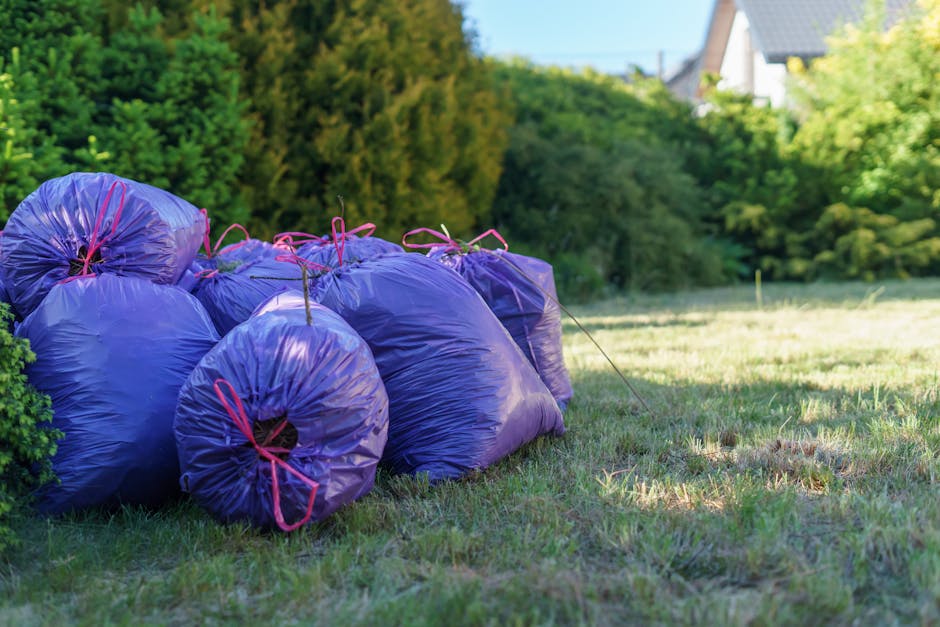
Garden waste is not just "bits from the garden". In practice, it can become bulky, heavy, wet, and awkward very quickly. A few bags of clippings are one thing. A full seasonal clear-up is another. After pruning, mowing, weeding, or cutting back overgrown shrubs, the volume can surprise people. And if you leave it sitting around, it can start to smell, attract pests, block paths, and make the whole space feel neglected.
That matters even more in a local area where outdoor space is often used hard and kept compact. In Harringay, many gardens do double duty: family space, entertaining area, drying space, storage, and somewhere to enjoy a bit of green when the weather behaves. A proper waste clearance helps the garden feel usable again. It also gives you a clean reset before replanting, laying turf, or starting a larger landscaping project.
If you are planning a bigger refresh, it can help to think beyond the garden itself. For example, if the tidy-up is part of moving house or reworking a property, some readers also find it useful to look at the broader local context in this guide to Haringey's green spaces and local lifestyle and the essential Harringay property purchase guide. Different reason, same reality: outdoor areas carry value, and clutter reduces it fast.
How Garden waste removal Harringay Ducketts Common gardens Works
The process is usually more flexible than people expect. In most cases, garden waste removal starts with sorting the material into what can be collected and what needs separate handling. Green waste is usually the main category: grass cuttings, leaves, hedge trimmings, branches, weeds, soil, and small roots. Some services can also take mixed outdoor junk such as broken planters, old garden furniture, fencing offcuts, and bagged debris, although that may move it into a wider waste category.
Typical collection is straightforward. You gather the waste, place it in bags or piles, and a team removes it from the garden, driveway, or front access point. If access is tight, they may need to carry items through the property or work in stages. That is normal in London homes, especially around terraced houses and flats with shared access. The job is usually quicker when the waste is already grouped and easy to load. Sounds obvious, but that one step saves time every single time.
Some jobs are suitable for same-day or next-day collection, especially after a weekend garden overhaul. Others need a little planning if there is a lot of soil, large branches, or mixed rubble from landscaping. If your project includes both garden and construction debris, you may want to compare it with builders waste disposal in Harringay so you can choose the right collection method for the material.
There is also an important split between green waste and general waste. Green waste is organic and often recyclable in the right stream. General waste is the mixed non-organic stuff. Keeping them separate is better for pricing, sorting, and sustainability. It also reduces the chance of avoidable contamination. A muddy bag with apple cores, broken plastic pots, and old compost in one heap? That tends to complicate things, not simplify them.
Key Benefits and Practical Advantages
The biggest benefit is obvious: you get your space back. But the real value goes further than that.
- Faster turnaround: A collection team can remove in one visit what might take you several trips to a local disposal point.
- Less heavy lifting: Wet soil, cut branches, and full sacks are tiring and easy to under-estimate.
- Cleaner finish: Once the debris is gone, it is easier to see the next step, whether that is planting, paving, or a full redesign.
- Safer pathways and access: Loose branches and stacked bags can create trip hazards, especially in narrow side returns.
- Better neighbour relations: In shared or close-knit streets, leaving waste out too long is rarely appreciated.
- More responsible disposal: A structured removal route is generally better than leaving the job half-finished or dumping material in the wrong bin.
There is also a practical wellbeing angle. Garden clutter has a way of making people put off the next job. Once the waste is gone, suddenly trimming the hedge or planting new beds feels manageable again. A tidy garden changes the mood of the place. You notice the light more. You hear the street less. It just feels easier to use.
Expert summary: The best garden waste removal is not only about hauling away green waste. It is about matching the collection method to the material, keeping access easy, separating recyclable items where possible, and leaving the space ready for its next use.
If you are comparing broader waste options, it may also help to read this overview of waste removal in Harringay and the sustainability-focused page on recycling and sustainability. Those pages give useful context on how different waste streams are handled.
Who This Is For and When It Makes Sense
Garden waste removal makes sense for anyone who has more material than a normal bin can reasonably handle. That includes homeowners, tenants, landlords, gardeners, property managers, and people who have just finished a landscaping project. It is especially useful after spring and autumn clean-ups, when the amount of organic waste can jump sharply.
It is also a good fit if you have one of these situations:
- hedge trimming that has produced a lot of bulky cuttings
- an overgrown garden that needs a proper first tidy
- storm-damaged branches or broken fence sections
- old compost, bags of soil, turf, and roots
- a post-renovation outdoor clean-up
- communal garden work that needs quick clearance
- pre-sale or pre-tenancy garden presentation work
For landlords and sellers, timing matters. A garden can influence first impressions more than people expect. If you are preparing a property for sale or letting, a neat outdoor area makes the rest of the place feel looked after. For broader local property context, see selling property in Harringay. It is a useful reminder that small outside details often shape the bigger impression.
And yes, if you are the person in the household who keeps saying "I'll sort the garden this weekend", this section may feel uncomfortably familiar. No judgement. The pile grows. It always grows.
Step-by-Step Guidance
Here is a sensible way to approach garden waste removal without overcomplicating it.
- Walk the garden first. Look at what has actually been produced. Separate green waste from mixed rubbish, soil, timber, and reusable items.
- Check access. Is there a side gate? Narrow passage? Shared stairwell? The easier the route, the faster the collection.
- Bag or bundle where practical. Light clippings can go in bags. Branches are easier to move when tied into manageable bundles.
- Keep heavy items separate. Soil, turf, bricks, and pots can change the weight profile fast. Avoid stuffing everything into one oversize bag.
- Decide whether you need mixed clearance. If the job includes broken garden furniture, old tools, or fencing, mention that early.
- Book a collection time that suits the job. If the garden is being cut back in the morning, a later collection may be smoother than trying to rush everything before the tools are even packed away.
- Do a final sweep. Small branches, nails, and loose wire are easy to miss and annoying to step on.
A small but useful tip: keep the waste you want removed in one clearly defined area. It sounds basic, but it really helps. The team can work faster, and you are less likely to lose track of what is going and what is staying. That alone saves hassle.
If your clean-up is part of a larger decluttering job, you might also find the service pages for house clearance in Harringay and the full services overview useful. Sometimes the garden is only one piece of the puzzle.
Expert Tips for Better Results
There are a few habits that make garden clearance smoother, cheaper, and less stressful.
1. Cut waste down before collection
Shorter branches and compact bundles are easier to move than long awkward lengths. You do not need to spend ages making everything neat, but trimming bulk down helps. It also reduces the risk of items snagging on gates or path edges.
2. Keep wet material separate if possible
Very wet grass and soaked leaves can be surprisingly heavy. If you can let them drain a little before bagging, it makes a difference. A soggy bag of clippings is the garden equivalent of carrying a bag of wet towels. Not fun.
3. Don't mix soil with light green waste unless you have to
Soil and turf are much denser than leaves or hedge cuttings. Separating them can help the collection team plan loading better and may avoid a messy overload of one bag.
4. Plan around the weather
In the UK, this may sound like wishful thinking, but it matters. A dry morning is usually kinder to the collection process than a damp afternoon. Wet paths, slippery steps, and soggy waste all slow things down.
5. Use the garden reset wisely
Once the waste is gone, do the small follow-up jobs straight away if you can. Sweep the paving, check drain covers, store tools properly, and review whether the area needs mulching or replanting. It is easier to build momentum when the space already looks better.
For a responsible disposal mindset, the company's recycling and sustainability page is worth a look. Even in a local clear-out, it is sensible to think about what can be recycled rather than treated as one big mixed heap.

Common Mistakes to Avoid
Most problems with garden waste removal are avoidable. They usually come down to one of four things: poor sorting, poor access, poor timing, or underestimating how much there is.
- Leaving waste unbagged in awkward places: A pile at the very back of the garden can slow the job and make carrying more difficult.
- Assuming all garden waste is the same: Green waste, timber, soil, and mixed rubbish can be handled differently.
- Forgetting hidden items: Old shears, broken pots, cable ties, trellis fragments, and broken plant supports often get missed.
- Overfilling bags: Heavy sacks split, tear, or become unsafe to lift.
- Booking too late after a major cut-back: If you leave the waste sitting for days, it can become windblown, sodden, or just plain unpleasant.
- Using the wrong route out of the property: A short path can become a painful route if branches have to be carried round bends or through tight doors.
Another common one: people think they have a "small job" and then the pile grows once the first few layers are cleared. It happens. You pull one old shrub and suddenly there is root mass, soil, hidden bricks, and some mysterious thing that may once have been a garden ornament. Funny, in a grim sort of way.
Tools, Resources and Recommendations
You do not need a huge toolkit to prepare garden waste for removal, but the right basics help.
| Tool or item | What it helps with | Practical note |
|---|---|---|
| Strong garden bags | Clippings, leaves, light debris | Choose bags that will not split easily when damp |
| Reusable tarpaulin | Gathering waste into one place | Useful for dragging light material over short distances |
| Secateurs or loppers | Cutting down long branches | Helps with bundling and loading |
| Gloves | Handling thorny or rough material | Essential if you are clearing brambles or old fence pieces |
| Rake and broom | Final sweep and debris collection | Good for finishing paths and patios |
| Wheelbarrow or tub trug | Moving waste from back garden to access point | Very useful where carrying is awkward |
If you are comparing service style and collection approach, it is sensible to review cheap skip alternative options in Harringay. For many households, a flexible collection makes more sense than hiring a skip, especially when space on the street is limited.
And if your clean-up has a broader disposal element, the pages on rubbish collection in Harringay and pricing and quotes can help you think through the practical side before you book anything.
Law, Compliance, Standards and Best Practice
Garden waste removal should be handled carefully, even when it feels like a simple household task. In the UK, householders still have a duty to make sure waste is transferred to a responsible collector or disposal route. In plain English: do not hand waste to someone unless you are confident it will be managed properly. Fly-tipping can come back as a headache for everyone involved.
It is also sensible to keep garden waste separate from restricted materials where possible. Things like paint tins, gas canisters, electrical items, and some treated wood should not be casually mixed in with green waste. If in doubt, treat them separately and ask for guidance before collection. Better a slightly slower job than a contaminated load.
For businesses or larger property managers, the expectation is a bit stricter. Waste transfer should be documented and handled under the relevant commercial norms. If you are clearing a site that is more than a standard home garden, a mixed waste or commercial route may be more appropriate than a simple green waste run. That is where good judgement matters.
Best practice also includes:
- keeping collection areas clear and accessible
- sorting organic and non-organic waste where possible
- avoiding overfilled bags and unsafe lifting
- using a provider that clearly explains what they take
- checking safety measures for lifting, carrying, and loading
For readers who want to understand how a reputable operator approaches these matters, the insurance and safety page and the about us page are useful trust signals. They show what to look for: responsible handling, safe practices, and a clear service structure.
Options, Methods, or Comparison Table
There is no single "best" method. The right choice depends on how much waste you have, what type it is, and how quickly you need it gone.
| Method | Best for | Pros | Trade-offs |
|---|---|---|---|
| DIY bagging and disposal | Very small amounts | Low immediate cost, flexible timing | Time-consuming, heavy lifting, multiple trips |
| Hire a skip | Large ongoing projects | Good for continuous loading | Space needed, permits may be an issue, can invite mixed waste |
| Man-and-van style garden collection | Medium or mixed outdoor clearances | Fast, convenient, often more flexible than a skip | Requires accurate description of waste |
| Scheduled garden maintenance with clearance | Regular pruning and upkeep | Prevents build-up, easier to manage over time | May not suit one-off heavy clear-outs |
For many local households, the middle option works best. It keeps the job simple without taking over the street or the driveway. If you are unsure which route fits, read the guide to avoiding hidden charges in Harringay quotes. It is especially helpful when you want to compare like with like and avoid vague estimates.
Case Study or Real-World Example
A typical local example goes like this. A terrace garden in Harringay had been left for months after a hedge grew too large and several planters cracked over winter. The owner started with what looked like a manageable tidy-up on a Saturday morning. By lunchtime there were branches, old compost bags, wet leaves, broken ceramic pots, and a patch of turf that had to come up. Not a disaster. Just more than expected, which is often how these jobs go.
Instead of trying to force everything into household bins, the waste was grouped into piles: green cuttings, heavier soil and turf, and mixed outdoor junk. The path was cleared first, then the rear access route. The collection was completed in one visit, leaving the garden ready for a deeper clean and, later, a replanting job.
The lesson was simple: the earlier the waste is sorted, the easier the whole process becomes. The owner said the biggest difference was psychological as much as practical. Once the debris was gone, the garden felt usable again. That is the bit people remember.
If you want to see how clearance jobs can change a space quickly, the local before-and-after story at this Harringay flat clearance case study is a useful read, even though it covers an indoor job. The principle is the same: clutter hides the potential of a space.
Practical Checklist
Use this checklist before booking or starting a garden waste removal job.
- Separate green waste from mixed rubbish where possible
- Check if soil, turf, or rubble needs special handling
- Bundle branches into manageable lengths
- Keep access routes clear for carrying items out
- Remove sharp or hazardous pieces from the pile
- Decide whether the job is small, medium, or large
- Think about whether you need same-day or scheduled collection
- Confirm what the provider will and will not take
- Plan a final sweep of paths and patio areas
- Store tools safely after the clear-up
Quick rule of thumb: if the waste is easy to describe, easy to reach, and already partly sorted, the whole process is usually simpler. If it is mixed, muddy, and buried in the back corner of the garden, expect a bit more planning. Fair enough, really.
Conclusion
Garden waste removal in Harringay Ducketts Common gardens is one of those jobs that pays off immediately. The garden looks better, feels easier to use, and becomes far less stressful to maintain. Whether you are dealing with a light seasonal tidy-up or a full post-landscaping clear-out, the smartest approach is to sort the material early, keep access simple, and choose the collection method that fits the job rather than forcing the job to fit the method.
To be fair, gardens rarely stay tidy for long. But with the right removal plan, the mess does not get the upper hand. You clear it, reset the space, and move on. That's the win.
Get a free quote today and see how much you can save.
 Tipper Van - Rubbish Collection and Builders Rubbish Removal Prices in Harringay, N4
 Luton Van - Rubbish Collection and Builders Rubbish Removal Prices in Harringay, N4